


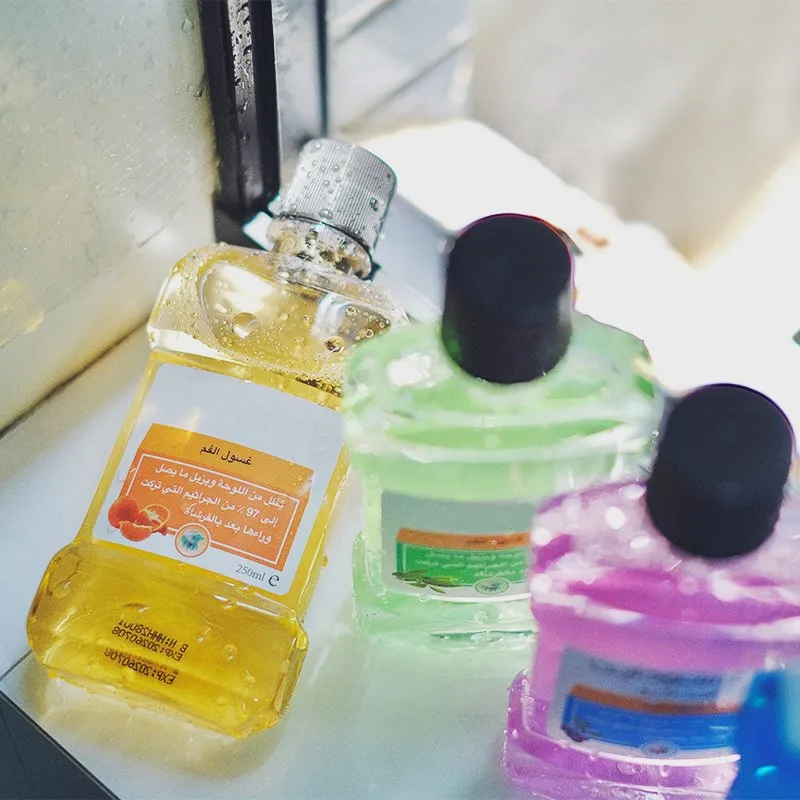
What is Cleansing Mouthwash?
Mouthwash, also known as mouthrinse, offers a solution to bad breath and can also be an excellent way to supplement your oral health routine. It is designed to be held in the mouth for a period of time, swished around, and then spit out. Mouthwash typically contains antimicrobial and other ingredients designed to inhibit odor-causing sulfur compounds, as well as reduce the bacteria that cause gingivitis and gum disease. Although it can't replace brushing and flossing for getting rid of the bulk of bacteria on your teeth and gums, it may provide some additional long-term oral health benefit.
Benefits of Cleansing Mouthwash
There are many benefits to using mouthwash as part of your daily oral health regime including:
Can Reduce Plaque and Gingivitis
When combined with regular brushing and flossing, good mouthwash can help flush away the pesky particles that lead to gum disease and gum problems. Again, your best bet is to go with a therapeutic formula containing essential oils.
Healthy Gums
Bacteria in your mouth can cause harm. Brushing does not remove bacteria, which can then be left to build up and cause irritation and inflammation of your gums. This can develop into serious periodontal disease. Mouthwash can help kill harmful bacteria for healthier gums.
Fresh Breath
A quick rinse after eating strong foods like onions or garlic can help keep your breath fresh. Oral bacteria exposes your teeth to decay. Antibacterial mouthwash can kill bacteria to help prevent tooth decay.
Fights Cavities and Tooth Decay
In this case, fluoride is your friend. Mouthwashes with this ingredient support remineralization and healthy teeth. It's always smart to brush with a fluoride toothpaste, too.
Specification
|
Item |
value |
|
Place of Origin |
China |
|
Region |
Zhejiang |
|
type |
Mouthwash |
|
Product name |
cleansing mouthwash |
|
Sample |
Sample Can Be Provided Freely, You Only Need To Pay For The Freight |
|
Function |
Fight Bad Breath Plaque and Gingivitis, Oral Refreshing |
|
Service |
OEM ODM Private Label |
|
Fragrance |
Fresh Fragrance |
|
Package: |
Customized |
Types of Cleansing Mouthwash
Cosmetic Mouthwash
As the name indicates, cosmetic mouthwashes aim to temporarily control the smell of the breath and leave a pleasant taste in the mouth without eliminating germs, as a mouthwash with germ-killing ingredients can do. Therefore their refreshing effect does not last for a extended period.
Fluoride Mouthwash
Fluoride mouthwash helps rebuild weakened tooth enamel in a process called remineralization, making teeth more resistant to decay and tooth erosion. When you use fluoride mouthwash, you help reverse the early signs of tooth decay and keep your teeth healthy.
Antiseptic Mouthwash
Antiseptic mouthwash helps eliminate the bacteria that cause bad breath because it contains bacteria-killing substances. Eucalyptus oil is an effective antibacterial agent that is used in some Antiseptic mouthwash products to help kill bacteria and fight against plaque.
Natural Mouthwash
For people who prefer using non-alcoholic products for whatever reason, a natural mouthwash is the choice for you! Natural mouthwashes offer the same benefits as other mouthwashes, except that they are gentle with a milder taste and are alcohol-free.
Whitening Mouthwash
Dental care has become more than dental and oral health, as having bright white teeth and an attractive smile is a must have too. People have become greatly keen on getting dental care products that have whitening properties. A whitening mouthwash can be the perfect complement to your home teeth whitening program that helps remove stains and brighten dull teeth.


How to Use Cleansing Mouthwash
Use mouthwash according to directions on the label or as advised by your dentist. In general, mouthwash can be used anytime but is most effective if you thoroughly brush and floss your teeth first. Simply hold a small amount in your mouth, swish it around, and spit it out. In order to get the maximum benefit from mouthwash, avoid eating, drinking, or smoking for at least 30 minutes after rinsing. Children under six years of age should not use mouthwash as their swallowing reflex is not yet sufficiently developed.
Our professional daily chemical factory's comprehensive contract manufacturing services offering Diverse products and packaging choices to suit different markets, Private Labeling option for branding and private labeling, and our cost-Effective Economies of scale lead to competitive pricing.

Hot Tags: cleansing mouthwash, China cleansing mouthwash manufacturers, suppliers, factory, Gentle Cleansing Mouthwash, Orthodontic Mouthwash, Cleansing Mouthwash, Antiseptic Mouthwash for Bad Breath, Anticavity Mouthwash Antiseptic, Mouthwash


