


Mouthwash
HM Bio-Tec: Your Trustworthy Mouthwash Supplier!
Taizhou HM Bio-Tec Co., LTD is a professional manufacturer of daily necessities and aerosol products. Founded in 1993, our company mainly produces air fresheners, body fragrance sprays and sunscreen sprays, as well as detergents, disinfectants and other household cleaning and personal care products. At present, we have built our own R&D team and production workshop, and have established long-term cooperative relationships with customers in Shanghai, Guangzhou, Germany and other places.
Rich Experienced
We specialize in producing different types of spray products and have more than 30 years of production experience, and providing 24-hour online technical consultation.
Customized Services
We provide customers with different product solutions. You can obtain OEM/ODM services from us and customize your spray and freshener from us.
Well Equipped
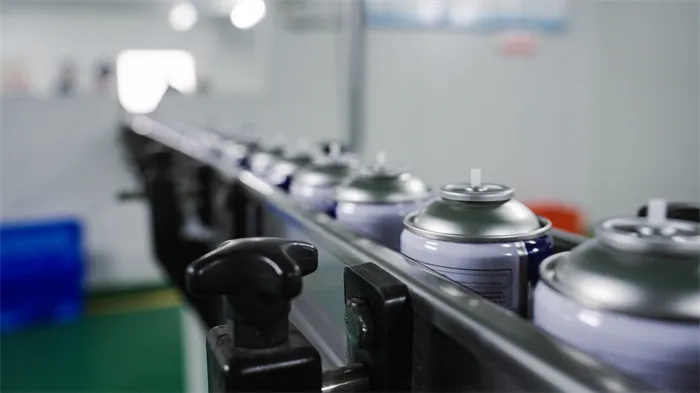
Our company has fully passed ISO9001 quality certification and is equipped with fully automated production lines and testing centers to provide you with stable supply and large inventory.
Quality Assured
All our products are certified by ISO, SGS, BV, etc. and tested in independent third-party laboratories to minimize your risk of exposure to bacteria and odors, thereby keeping you healthy.


What is Mouthwash?
Mouthwash, mouth rinse, oral rinse, or mouth bath is a liquid which is held in the mouth passively or swirled around the mouth by contraction of the perioral muscles and/or movement of the head, bubbled at the back of the mouth. Usually mouthwashes are antiseptic solutions intended to reduce the microbial load in the mouth, although other mouthwashes might be given for other reasons such as for their analgesic, anti-inflammatory or anti-fungal action. Additionally, some rinses act as saliva substitutes to neutralize acid and keep the mouth moist in xerostomia (dry mouth). Cosmetic mouthrinses temporarily control or reduce bad breath and leave the mouth with a pleasant taste.
Features of Mouthwash
Fresh Smell
Our mouthwash contains a variety of botanical extracts, such as hinoki and cedarwood essential oils, to provide a refreshing sensation to keep the inside of your mouth clean and fresh.
Safe Ingredients
Their ingredients are free of artificial dyes, gluten, sodium lauryl sulfate (SLS), and are ADA approved to help reduce bad breath and avoid tooth staining problems.
Effective Sterilization
Powered by CPC particles and fluoride, these mouthwashes are enriched with natural peppermint essence to effectively kill 99.9% of bacteria, remove plaque and reduce the chance of periodontitis.
Mild Formula
They have an alcohol-free formula that provides 24-hour plaque defense and provides a gentle mouthwash experience without the burning sensation for dental patients, pregnant women, and more.
Application of Mouthwash
Halitosis (Bad Breath)
Bad breath is an extremely common oral condition that is most often the result of poor oral hygiene, dry mouth, consumption of certain foods and beverages, or tobacco use. It may also result from an infection within the mouth, certain nose or throat conditions, or even systemic medical conditions. Mouthwash can remedy bad breath by reducing the amount odor-causing bacteria in the mouth and/or interfering with smelly sulfur compounds and leaving a fresh, clean scent in its place. If you practice good oral hygiene and have a healthy diet, but your bad breath persists, talk to your dentist to rule out any possible underlying conditions.
Gingivitis
Gingivitis is an inflammation of the gums that commonly occurs as a result of plaque buildup on the teeth and gingiva. Plaque contains millions of bacteria. Certain types of mouthwash work to reduce plaque build-up and kill this bacteria, therefore helping to prevent or even reverse gingivitis.
Tooth Decay
Mouthwash containing fluoride can help prevent tooth decay by strengthening tooth enamel and protecting from acid attacks. The bacteria within plaque produce acids, which eat away at enamel if teeth are not thoroughly cleaned on a regular basis. The bacteria feed on the sugars, starches, and other carbohydrates left on the teeth after eating. Tooth decay starts slowly with the acids eating away at the surface minerals of the tooth enamel. If the process goes on long enough it eventually results in a cavity, or a small hole that forms in your tooth after enough enamel is destroyed. The fluoride in water, toothpaste, rinses and other products helps replace the lost minerals and resist further acid attacks.
Topical Pain Relief
Mouthwashes that offer pain relief most often contain anesthetics, such as lidocaine, that gently numb the mouth to provide relief. These are typically prescribed by your dentist or physician.
Whitening
Some mouthwashes are formulated with active ingredients like hydrogen peroxide to reduce staining and whiten teeth. These typically require extended use before any results are noticeable and will not have the same effect as cosmetic whitening procedures performed by your dentist.
Dry Mouth
Dry mouth, also known as xerostomia, is an oral condition that results from reduced or absent saliva flow; it is a common side effect of certain medications. Mouthwashes that advertise for dry mouth relief help rinse away food particles and freshen breath, and also contain ingredients that lubricate the mouth and ease dry mouth symptoms.
Alveolar Osteitis (Dry Socket)
Dry socket is a complication of tooth extraction in which the underlying bone and nerves beneath the extraction site are exposed. This results in pain within the socket and along the side of the face. Mouthwash made with chlorhexidine may help prevent dry socket following wisdom tooth (third molar) extractions. Chlorhexidene containing rinses must be prescribed by your dentist.
Types of Mouthwash
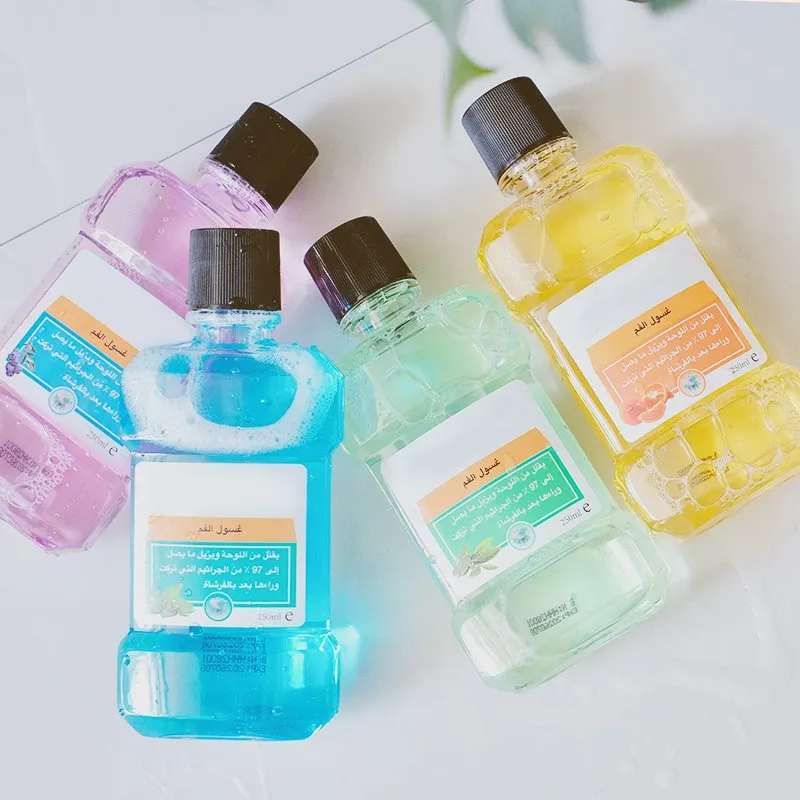
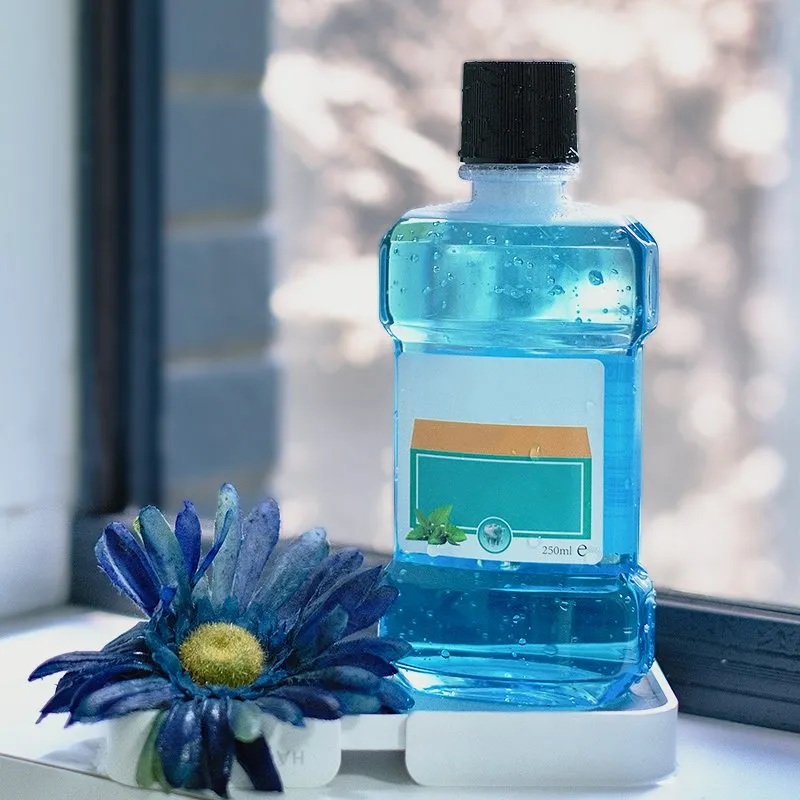
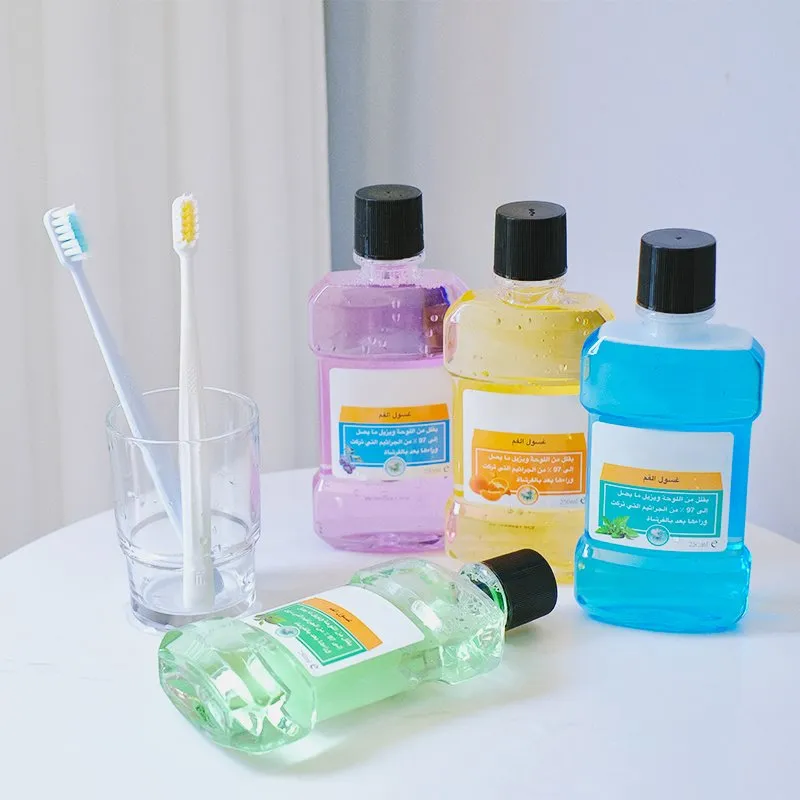
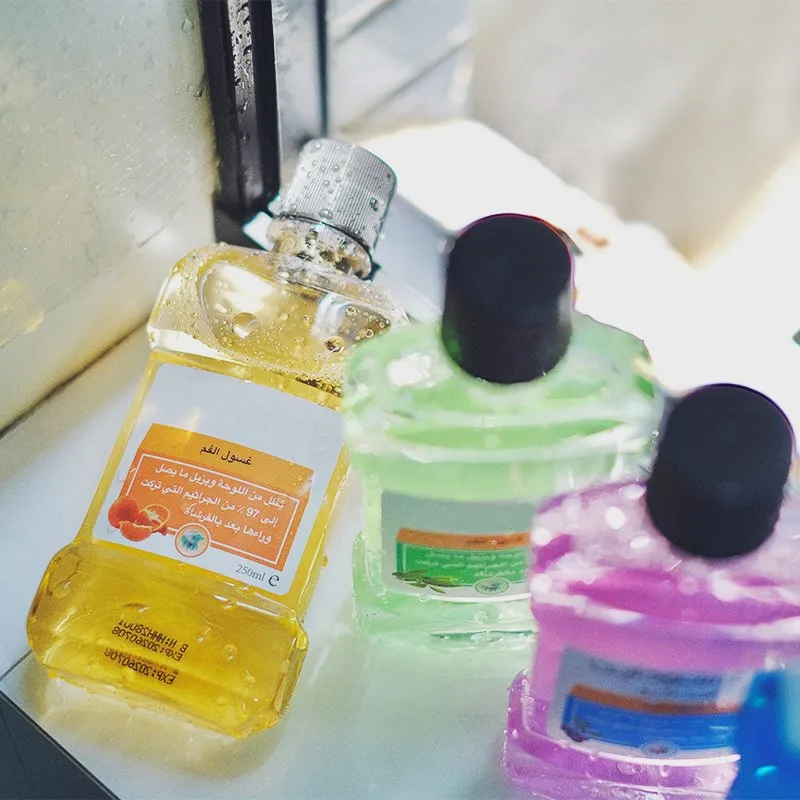
There are various types of mouthwash available in the market that can be considered cosmetic or therapeutic according to their ingredients. A mouthwash may be considered cosmetic if it does not contain germ-killing ingredients.
Cosmetic Mouthwash
As the name indicates, cosmetic mouthwashes aim to temporarily control the smell of the breath and leave a pleasant taste in the mouth without eliminating germs, as a mouthwash with germ-killing ingredients can do. Therefore their refreshing effect does not last for a extended period.
Fluoride Mouthwash
Fluoride mouthwash helps rebuild weakened tooth enamel in a process called remineralization, making teeth more resistant to decay and tooth erosion. When you use fluoride mouthwash, you help reverse the early signs of tooth decay and keep your teeth healthy. Fluoride can be obtained from many natural sources such as some foods and most water sources such as rivers, lakes and wells, but the concentration of fluoride in these sources is less than the level you need to provide the necessary protection for your teeth.
Antiseptic Mouthwash
Antiseptic mouthwash helps eliminate the bacteria that cause bad breath because it contains bacteria-killing substances. Eucalyptus oil is an effective antibacterial agent that is used in some Antiseptic mouthwash products to help kill bacteria and fight against plaque. It is extracted from the eucalyptus tree (Eucalyptus globulus) which has been long used as an antiseptic to kill germs by traditional aboriginal of Australia, the native home of the eucalyptus tree.
Natural Mouthwash
For people who prefer using non-alcoholic products for whatever reason, a natural mouthwash is the choice for you! Natural mouthwashes offer the same benefits as other mouthwashes, except that they are gentle with a milder taste and are alcohol-free.
Whitening Mouthwash
Dental care has become more than dental and oral health, as having bright white teeth and an attractive smile is a must have too. People have become greatly keen on getting dental care products that have whitening properties. A whitening mouthwash can be the perfect complement to your home teeth whitening program that helps remove stains and brighten dull teeth.
Protecting your teeth and keeping them healthy and free of cavities requires constant care. Using a proper mouthwash effective in killing germs and microbes that survive after brushing makes your efforts more effective and helps you keep your mouth fresh for longer.
Steps to Use Mouthwash
Product directions may vary according to which mouthwash brand you use. Always follow package instructions over what you read in an article. Here are the basic instructions for most kinds of mouthwash.
Brush your teeth first
Start by thoroughly brushing and flossing your teeth. If you’re brushing with fluoride toothpaste, wait a while before using mouthwash. The mouthwash can wash away the concentrated fluoride in the toothpaste.
How much mouthwash to use
Pour your oral rinse of choice into the cup provided with the product or a plastic measuring cup. Use only as much mouthwash as the product instructs you to use. It’s typically between 3 and 5 teaspoons.
Ready, set, rinse
Empty the cup into your mouth and swish it around. Don’t swallow it. Mouthwash isn’t meant for ingesting, and it won’t work if you drink it. While you’re rinsing, gargle for 30 seconds. You may want to set a watch or try to count to 30 in your head.
Spit it out
Spit the mouthwash out into the sink.
Advantages and Disadvantages of Mouthwash
Advantages of Mouthwash
There are many benefits to using mouthwash as part of your daily oral health regime including:
Additional cleaning: Mouthwash can help get to the remaining debris left behind after brushing and flossing. The liquid flows around and between your teeth, helping to flush out your mouth more thoroughly.
Healthy gums: Bacteria in your mouth can cause harm. Brushing does not remove bacteria, which can then be left to build up and cause irritation and inflammation of your gums. This can develop into serious periodontal disease. Mouthwash can help kill harmful bacteria for healthier gums.
Healthier teeth: Oral bacteria exposes your teeth to decay. Antibacterial mouthwash can kill bacteria to help prevent tooth decay.
Fresh breath: A quick rinse after eating strong foods like onions or garlic can help keep your breath fresh.
Strengthen enamel: Some mouthwashes contain enamel-strengthening ingredients which will help keep your teeth more resistant to decay.
Disadvantages of Mouthwash
Oral cancer: Some studies have shown that mouthwashes containing alcohol can have a negative effect on soft tissue in the mouth. This has been tied to oral cancer.
Irritation: For some people, alcohol produces an unpleasant burning effect, which can slow the healing of ulcers and canker sores.
Cosmetic solution for bad breath: BAD BREATH is masked by mouthwash, which does not assist in fighting the cause. If you suffer from halitosis, a medical condition causing severe bad breath, it is best to speak to us to find a more permanent solution.
Tooth staining: Certain mouthwashes contain heavy dyes that can actually stain your teeth.
Salt: Mouthwashes containing sodium lauryl sulphate actually are a source of sodium. For those on a low sodium diet, this can be problematic if the mouthwash is swallowed.
Killing good bacteria: Good bacteria? Yes, there is such a thing as good bacteria. It exists in places such as your digestive system, but also in your mouth. This good bacteria acts as a natural defense to fight pathogens. When you use mouthwashes that are considered “antiseptic” or “antibacterial”, they kill bacteria indiscriminately. This means they are killing both the good and bad bacteria in your mouth. This could reduce the effectiveness of your natural ability to fight pathogens and lessen your immunity.
Factors to Consider When Choose Mouthwash
When choosing a mouthwash, certain ingredients and chemicals all do different things to help your specific needs. These are some important things to look out for when selecting the best mouthwash for you:
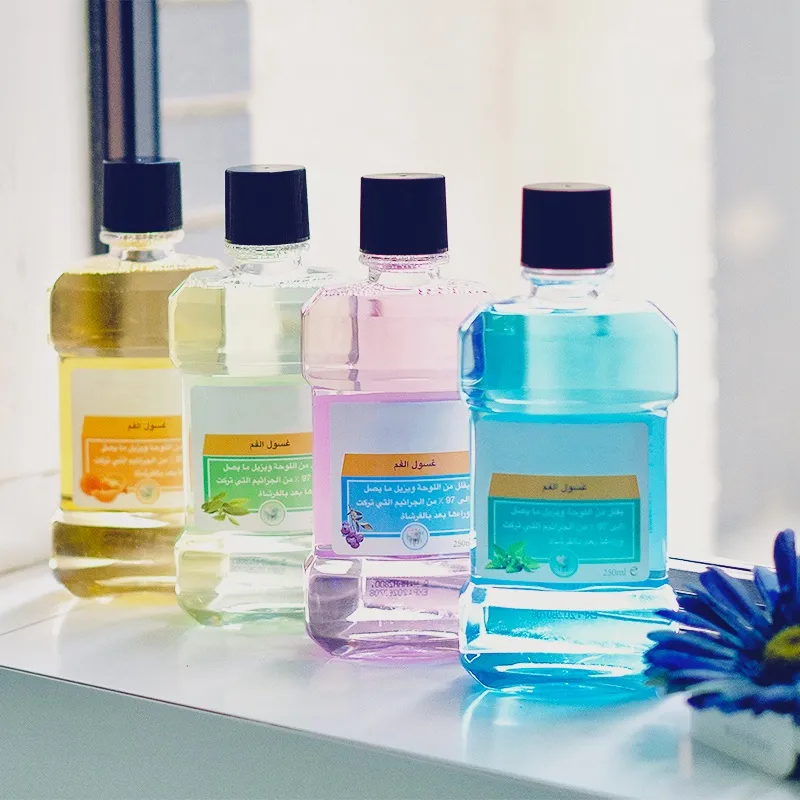
Fluoride
Fluoride works with calcium and phosphate to create a defence system to prevent cavities from forming. Fluoride mouthwashes are great for those with sensitive teeth.
Essential Oils
Essential oils like eucalyptus and peppermint oils are often used in mouthwashes. This is due to their anti-inflammatory, antiseptic, and antibacterial properties.
Cetylpyridinium Chloride
Cetylpyridinium chloride is a compound that decreases the ability of dental plaque to form and mature. It also works to prevent the bacteria that cause gum disease.
Carbamide Peroxide or Hydrogen Peroxide
Whitening mouthwash uses hydrogen and carbamide peroxide which are teeth whitening agents. These work by breaking down complex molecules in the teeth leading to a reduction in surface stains.
Factory Photo



Frequently Asked Questions of Mouthwash
As one of the leading mouthwash manufacturers and suppliers in China, we warmly welcome you to buy bulk mouthwash at competitive price from our factory. Contact us for quotation.
Mouthwash, Gentle Cleansing Mouthwash, Antiseptic Mouthwash for Bad Breath