

Can air fresheners be used in greenhouses? This is a question that has intrigued many greenhouse owners and enthusiasts. As a supplier of air fresheners, I've received numerous inquiries regarding the suitability of our products in greenhouse environments. In this blog, I'll delve into the science behind air fresheners, the unique conditions of greenhouses, and whether these two can coexist harmoniously.
Understanding Air Fresheners
Air fresheners are designed to improve the olfactory experience by masking unpleasant odors and introducing pleasant scents. They come in various forms, such as sprays, gels, and diffusers. Our product range includes a variety of scented options, from the refreshing Women's Antiperspirant Spray to the enchanting Amber Flower Perfume. These products typically contain volatile organic compounds (VOCs) that are released into the air to create the desired fragrance.
VOCs are carbon-based chemicals that easily evaporate at room temperature. They are responsible for the characteristic smell of air fresheners. However, not all VOCs are created equal. Some can have negative effects on human health and the environment, especially when present in high concentrations. For example, certain VOCs can react with other pollutants in the air to form ground-level ozone, a harmful air pollutant.
The Greenhouse Environment
Greenhouses are carefully controlled environments designed to provide optimal conditions for plant growth. They are typically characterized by high humidity, controlled temperature, and limited air circulation. These conditions are essential for the health and productivity of the plants inside. However, they can also create a breeding ground for unpleasant odors, such as those from decaying plant matter, soil, and pests.
In addition to the natural odors, greenhouses may also be exposed to chemical odors from fertilizers, pesticides, and other agricultural inputs. These odors can be not only unpleasant but also potentially harmful to the plants and the people working in the greenhouse. Therefore, maintaining a fresh and clean air environment is crucial for the overall success of a greenhouse operation.
The Potential Benefits of Using Air Fresheners in Greenhouses
One of the main benefits of using air fresheners in greenhouses is the improvement of the air quality and the overall working environment. By masking unpleasant odors, air fresheners can make the greenhouse a more pleasant place to work. This can be particularly beneficial for greenhouse workers who spend long hours in the environment.
In addition to improving the working environment, air fresheners may also have some positive effects on plant growth. Some studies have suggested that certain scents can have a stimulating effect on plant growth and development. For example, the scent of lavender has been shown to promote root growth and increase the production of essential oils in some plants. While these effects are still being studied, they offer an interesting possibility for using air fresheners as a tool for enhancing plant growth.
The Potential Risks of Using Air Fresheners in Greenhouses
Despite the potential benefits, there are also some risks associated with using air fresheners in greenhouses. One of the main concerns is the impact of VOCs on plant health. As mentioned earlier, some VOCs can be harmful to plants, especially when present in high concentrations. They can interfere with the plant's natural processes, such as photosynthesis and respiration, and even cause damage to the plant's tissues.
Another concern is the potential for air fresheners to attract pests. Some scents may be appealing to certain insects and other pests, which could lead to an infestation in the greenhouse. This could not only damage the plants but also increase the need for pesticides and other pest control measures.
In addition, the use of air fresheners in greenhouses may also have implications for the environment. If the VOCs from the air fresheners are released into the atmosphere, they can contribute to air pollution and climate change. Therefore, it is important to choose air fresheners that are environmentally friendly and have low VOC emissions.
Choosing the Right Air Freshener for Greenhouses
If you decide to use air fresheners in your greenhouse, it is important to choose the right product. Look for air fresheners that are specifically designed for use in enclosed spaces and have low VOC emissions. Avoid products that contain synthetic fragrances and other harmful chemicals.
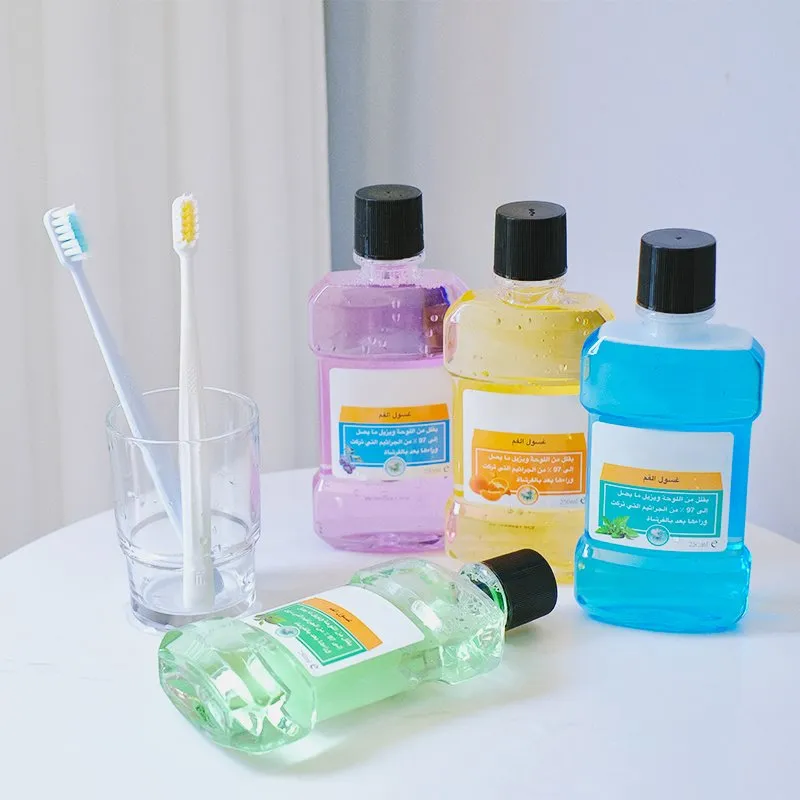

Natural air fresheners, such as those made from essential oils, are a great option for greenhouses. Essential oils are derived from plants and have many beneficial properties, including antibacterial, antifungal, and insect-repellent effects. They can also provide a pleasant and natural fragrance without the use of harmful chemicals.
Another important factor to consider is the type of air freshener. Sprays are the most common type of air freshener, but they can be messy and may not be suitable for use in greenhouses with limited air circulation. Gels and diffusers are better options as they release the fragrance slowly and evenly over time.
Safety Precautions
When using air fresheners in greenhouses, it is important to take some safety precautions. First, make sure to follow the manufacturer's instructions carefully. This includes using the product in the recommended amount and frequency, and avoiding direct contact with the plants.
Second, ensure proper ventilation in the greenhouse. Good air circulation can help to disperse the VOCs and prevent them from accumulating in the air. You can use fans or open the greenhouse vents to improve air circulation.
Finally, keep the air fresheners out of reach of children and pets. Some air fresheners may contain ingredients that can be harmful if ingested.
Conclusion
In conclusion, the use of air fresheners in greenhouses is a complex issue with both potential benefits and risks. While air fresheners can help to improve the air quality and the working environment in greenhouses, they also need to be used with caution to avoid any negative impacts on plant health and the environment.
If you are considering using air fresheners in your greenhouse, I recommend doing some research and consulting with a professional. They can help you choose the right product and provide guidance on how to use it safely and effectively.
At our company, we are committed to providing high-quality air fresheners that are not only effective but also environmentally friendly. Our range of products includes natural air fresheners made from essential oils, which are a great option for greenhouses. If you are interested in learning more about our products or have any questions, please feel free to contact us. We would be happy to discuss your needs and help you find the best solution for your greenhouse.
References
- American Lung Association. (2021). Air Fresheners and Indoor Air Quality. Retrieved from https://www.lung.org/clean-air/at-home/sources-of-indoor-pollution/air-fresheners
- Environmental Protection Agency. (2021). Volatile Organic Compounds' Impact on Indoor Air Quality. Retrieved from https://www.epa.gov/indoor-air-quality-iaq/volatile-organic-compounds-impact-indoor-air-quality
- Royal Horticultural Society. (2021). Growing Plants in Greenhouses. Retrieved from https://www.rhs.org.uk/garden-jobs/growing-plants-in-greenhouses