

Hey there! I'm a supplier of body sprays, and I've been thinking a lot lately about how our products impact the environment. It's not just a trendy topic; it's a real concern that we, as suppliers and consumers, need to address. So, let's dive into how body sprays affect the environment.
The Basics of Body Sprays
First off, let's talk about what body sprays are. They're those handy little cans or bottles that we use to smell nice. You spray them on your body, and they leave a pleasant scent. They come in all sorts of fragrances, from floral to citrusy, and are super popular. But what's inside these sprays?
Most body sprays contain a mix of chemicals. There are the fragrance compounds, which give the spray its unique smell. Then there are solvents, like ethanol, which help the fragrance spread and evaporate quickly. And let's not forget the propellants, which are the gases that push the spray out of the can.
Propellants and Their Impact
One of the biggest environmental concerns with body sprays is the propellants. In the past, many sprays used chlorofluorocarbons (CFCs) as propellants. CFCs were great at pushing the product out of the can, but they were also really bad for the environment. When released into the atmosphere, CFCs rise up to the stratosphere and break down ozone molecules. The ozone layer is important because it protects us from the sun's harmful ultraviolet (UV) rays. Damage to the ozone layer can lead to increased cases of skin cancer, cataracts, and harm to plants and animals.
Thankfully, after the discovery of the ozone - depleting properties of CFCs, the Montreal Protocol was established in 1987. This international agreement phased out the production and use of CFCs. Nowadays, most body sprays use hydrofluorocarbons (HFCs) or hydrocarbons (HCs) as propellants.
HFCs don't deplete the ozone layer, but they are potent greenhouse gases. They can trap heat in the atmosphere, contributing to global warming. The global warming potential (GWP) of HFCs can be thousands of times higher than that of carbon dioxide. On the other hand, hydrocarbons like propane and butane are less of a concern in terms of ozone depletion and have a lower GWP compared to HFCs. However, they are flammable, which can pose safety risks during production and use.
Chemical Ingredients and Air Quality
The chemical ingredients in body sprays can also affect air quality. When you spray a body spray, tiny droplets of the product are released into the air. These droplets contain volatile organic compounds (VOCs). VOCs can react with other chemicals in the atmosphere, especially in the presence of sunlight, to form ground - level ozone. Ground - level ozone is a major component of smog and can cause respiratory problems, especially for people with asthma or other lung conditions.

Some of the fragrance compounds in body sprays can also be allergenic. They can trigger allergic reactions in sensitive individuals, such as skin rashes, itching, and respiratory distress. And when these sprays are used indoors, the concentration of these chemicals can build up, leading to poor indoor air quality.
Packaging Waste
Another aspect of the environmental impact of body sprays is packaging waste. Most body sprays come in aerosol cans or plastic bottles. Aerosol cans are typically made of metal, which can be recycled. However, the recycling process requires energy and resources. Plastic bottles, on the other hand, are a bigger problem. Many plastics are made from non - renewable fossil fuels, and they can take hundreds of years to break down in the environment.
If these packaging materials end up in landfills, they can release harmful chemicals as they degrade. And if they are littered, they can harm wildlife. For example, animals may mistake small plastic pieces for food, which can lead to ingestion and potentially death.
What Can We Do?
As a body spray supplier, I'm constantly looking for ways to reduce the environmental impact of our products. We're starting to use more eco - friendly propellants. For example, we're exploring the use of compressed air as a propellant. Compressed air is a clean and renewable option that doesn't contribute to ozone depletion or global warming.
We're also working on improving the formulation of our body sprays to reduce the amount of VOCs. By using more natural and biodegradable ingredients, we can make our products less harmful to the environment and to human health.
In terms of packaging, we're promoting recycling. We're also looking into using more sustainable packaging materials, like bioplastics made from renewable resources such as corn starch or sugarcane. These bioplastics can break down more quickly in the environment compared to traditional plastics.
Related Products and Their Environmental Impact
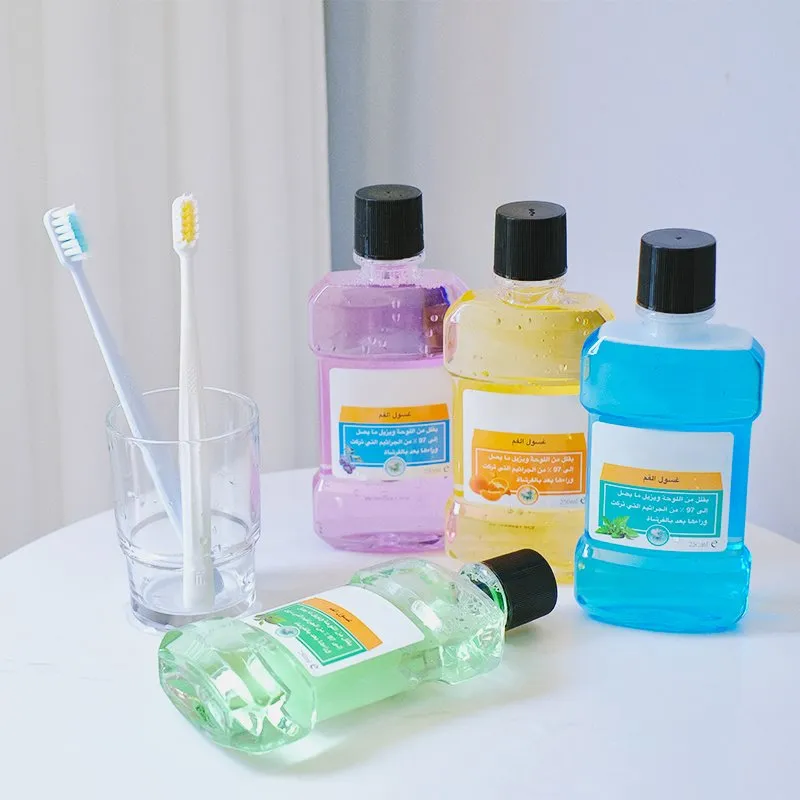
It's not just body sprays that have an environmental impact. Other spray products also contribute to environmental problems. For example, Orthodontic Mouthwash may contain chemicals and packaging materials that can be harmful to the environment. The same goes for Fresh Lemon Air Freshener and Heavy Duty Oven Cleaner Spray. These products often use propellants and chemicals that can have a negative impact on air quality and the ozone layer.
The Future of Body Sprays
The future of body sprays lies in sustainability. Consumers are becoming more environmentally conscious, and they're demanding products that are better for the planet. As a supplier, I believe that we have a responsibility to meet these demands.
We need to continue to innovate and develop new technologies and formulations that reduce the environmental impact of our products. This may involve working with scientists and researchers to find new, eco - friendly ingredients and production methods.
Contact for Procurement
If you're interested in purchasing our body sprays, whether it's for personal use or for your business, we'd love to hear from you. We're committed to providing high - quality, environmentally friendly body sprays at competitive prices. Just reach out to us, and we can start discussing your procurement needs.
References
- "The Montreal Protocol on Substances that Deplete the Ozone Layer." United Nations Environment Programme.
- "Global Warming Potentials." Intergovernmental Panel on Climate Change (IPCC).
- "Plastic Pollution and Its Impact on the Environment." National Geographic.