


HM Bio-Tec: Your Trustworthy Cleansing Mouthwash Supplier!
Taizhou HM Bio-Tec Co., LTD is a professional manufacturer of daily necessities and aerosol products. Founded in 1993, our company mainly produces air fresheners, body fragrance sprays and sunscreen sprays, as well as detergents, disinfectants and other household cleaning and personal care products. At present, we have built our own R&D team and production workshop, and have established long-term cooperative relationships with customers in Shanghai, Guangzhou, Germany and other places.
Rich Experienced
We specialize in producing different types of spray products and have more than 30 years of production experience, and providing 24-hour online technical consultation.
Customized Services
We provide customers with different product solutions. You can obtain OEM/ODM services from us and customize your spray and freshener from us.
Well Equipped
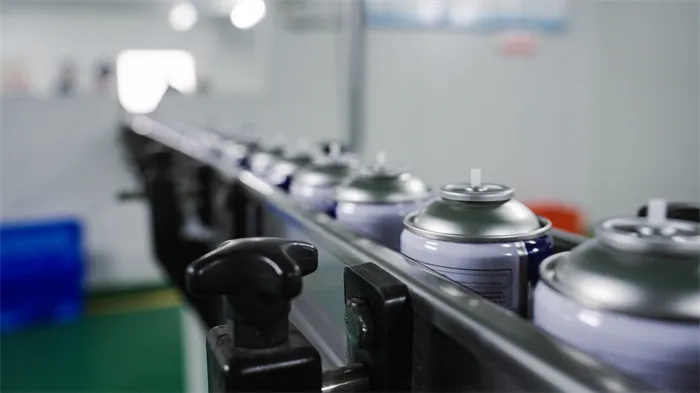
Our company has fully passed ISO9001 quality certification and is equipped with fully automated production lines and testing centers to provide you with stable supply and large inventory.
Quality Assured
All our products are certified by ISO, SGS, BV, etc. and tested in independent third-party laboratories to minimize your risk of exposure to bacteria and odors, thereby keeping you healthy.
Our Related Products
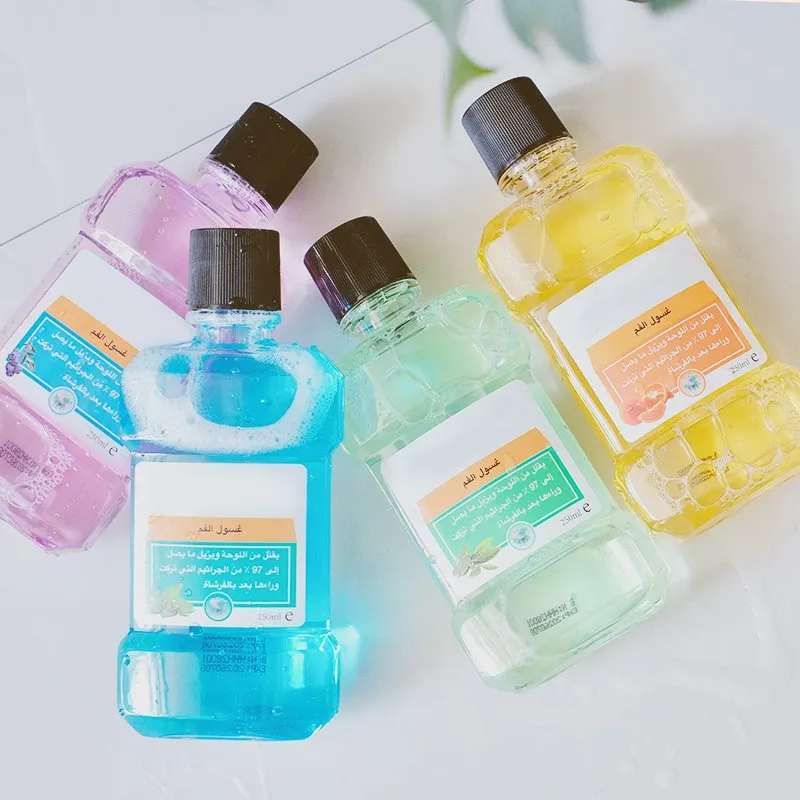
Non Alcoholic Antiseptic Mouthwash
Non-alcoholic antiseptic mouthwash is a type of mouthwash that doesn't contain alcohol. Instead, it uses other ingredients to clean and freshen the mouth. These ingredients can include antimicrobial agents, essential oils and other ingredients.
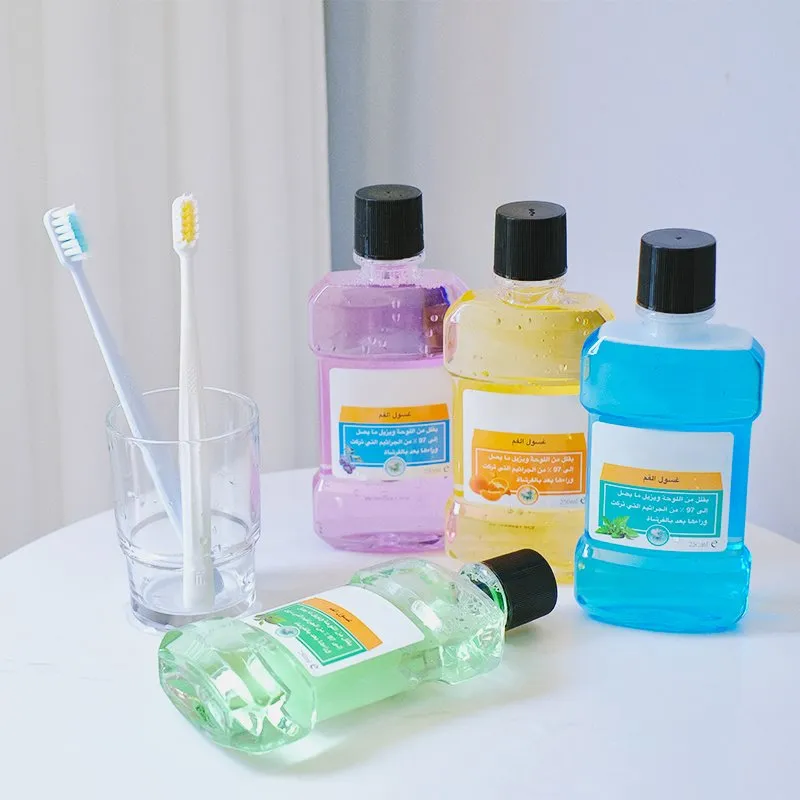
Orthodontic mouthwash can help remove food debris and plaque, which can lower the risk of tooth decay. You can use mouthwash with braces because braces are made of high-grade stainless steel materials that won't rust, warp or discolor from using mouthwash.
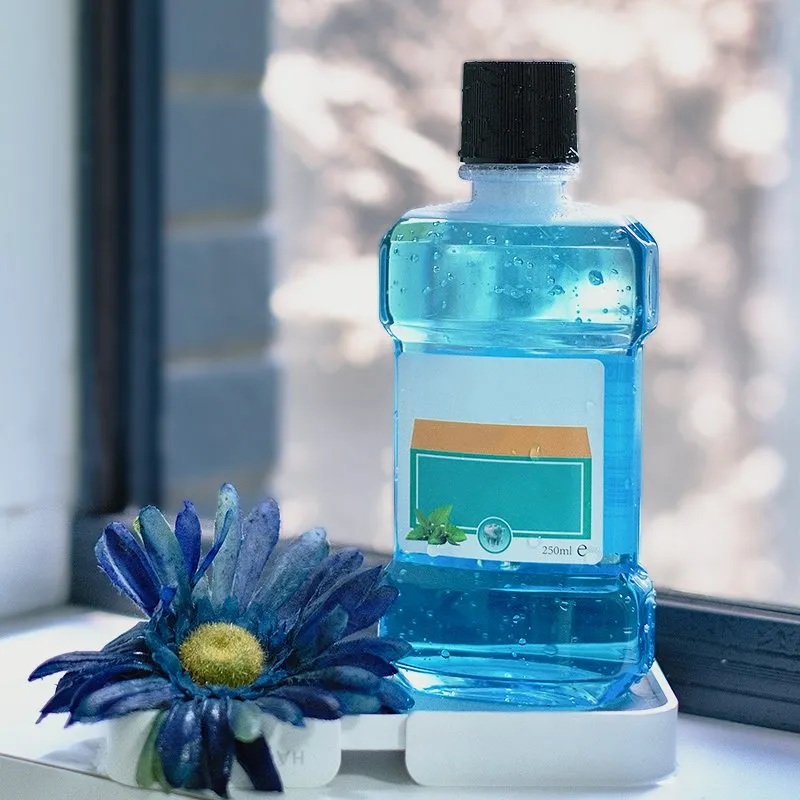
A gentle cleansing mouthwash can help clean and sanitize teeth, gums, and the mouth. It can also help remove bad breath caused by smoking, coffee, or food like garlic and onions. It's generally ok to swallow your saliva after using mouthwash as long as you've spat most of the product out.
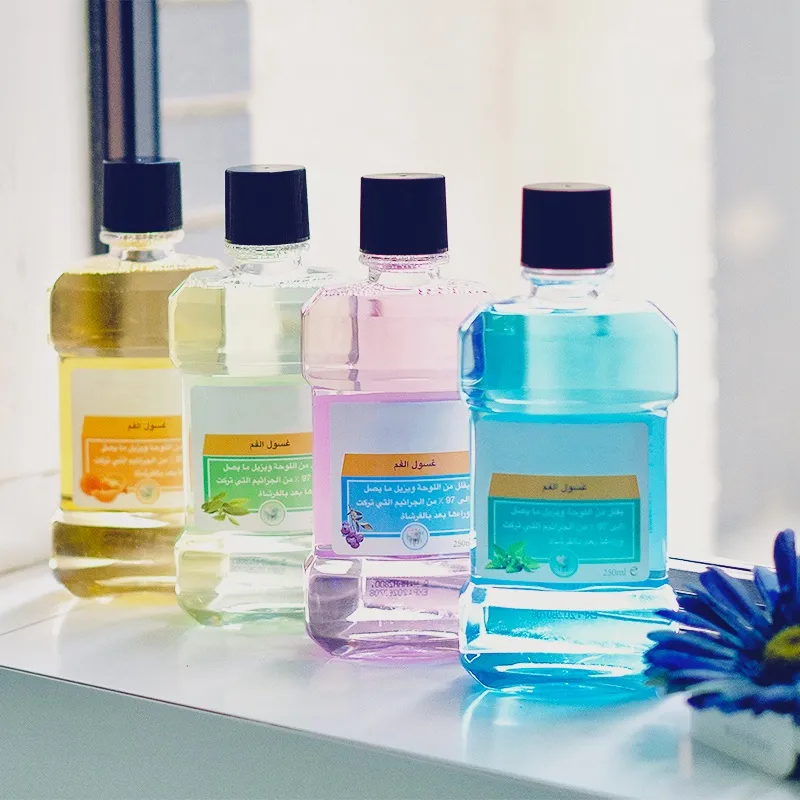
Antiseptic Mouthwash For Bad Breath
Antiseptic mouthwash contains alcohol and kills bacteria that cause bad breath. It's ideal for people with mouth infections, but can also help with bad breath. Mouthwash is usually safe to use every day if the instructions recommend it. However, using it more frequently than recommended can be harmful.
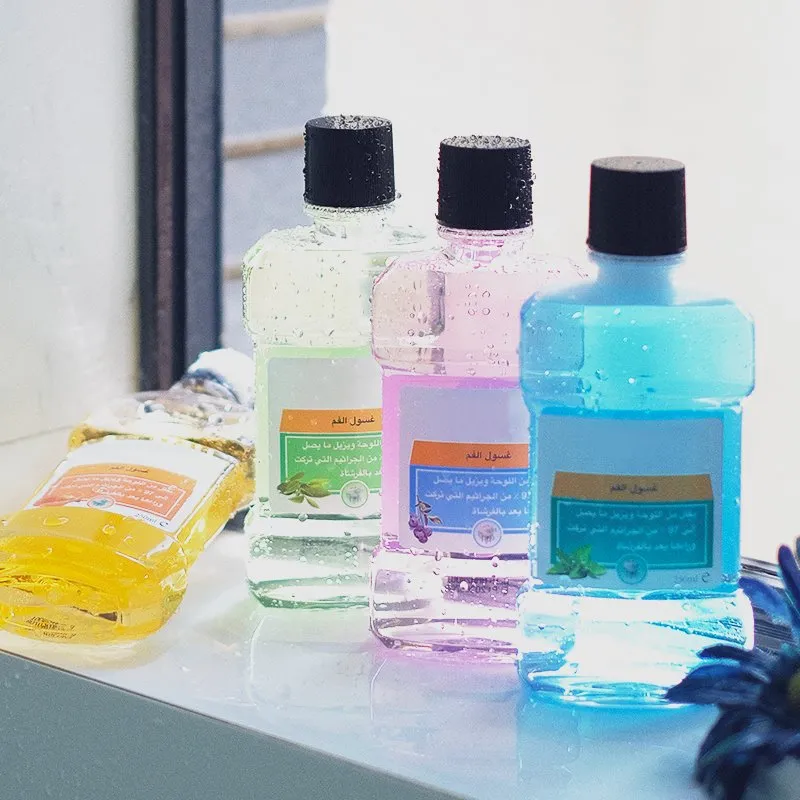
Anticavity Mouthwash Antiseptic
Our professional daily chemical factory's comprehensive contract manufacturing services, capable of manufacturing large quantities efficiently, rigorous testing procedures to maintain high product standards, and adhering to industry regulations and standards.
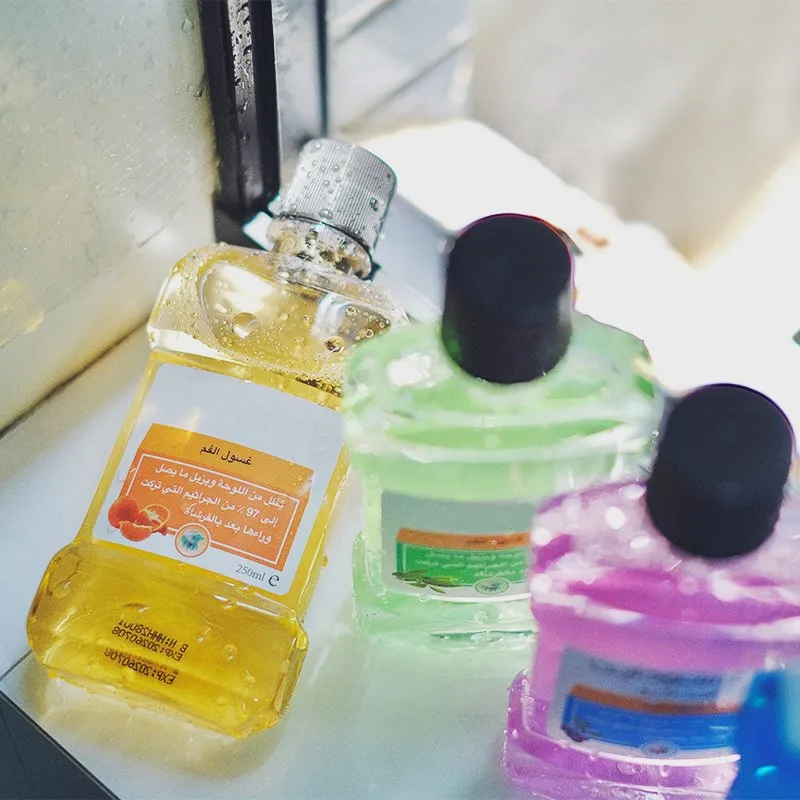
Designed for daily incorporation into your regimen, our alcohol-free mouthwash guarantees consistent, reliable oral care. You can Start your day with a revitalizing swish to kickstart a refreshed feeling.
What is Cleansing Mouthwash?
Mouthwash is a liquid product that is used to rinse your teeth, gums, and mouth. It is also known as an oral rinse, mouth rinse, or oral wash. Mouthwash can help with a variety of oral conditions, including dental caries, dental erosion, halitosis, gingivitis, periodontitis, mucositis. Mouthwash usually contains an antiseptic to kill harmful bacteria that can live between your teeth and on your tongue. Some people use mouthwash to fight against bad breath, while others use it to try to prevent tooth decay.
Features of Cleansing Mouthwash
Mild Ingredients
They use a proprietary liquid formula with tea tree oil and thymol, and are free of harsh ingredients like SLS, parabens, and saccharin to avoid a burning sensation.
Easy to Use
Our cleansing mouthwash comes in a convenient 1 oz bottle, you just pop half the capful in your mouth, swish for 2-3 minutes, spit and repeat.
Efficient Cleaning
Containing fluoride for sensitive teeth, xylitol, potassium nitrate, and potassium citrate, these mouthwashes quickly clean tooth surfaces and strengthen tooth enamel to fight the plaque that causes bad breath.
Moisturizing
Our mouthwash contains peppermint and spearmint, so each rinse helps freshen your breath and provide a natural mint cooling effect, as well as hydration for hours.
Oral Health
Mouthwashes are liquid, aqueous compositions mainly intended to prevent, relieve and cure oral conditions and maintain oral health (such as: dental caries, dental erosion, halitosis, gingivitis, periodontitis, mucositis, to reduce the oral microbiota.
Cleanse Your Face
An antiseptic mouthwash makes a wonderful astringent for cleansing your face. Check the ingredients to make sure it does not contain sugar, then use as follows. Wash your face with warm, soapy water and rinse. Dab a cotton ball with mouthwash and gently wipe your face as you would with any astringent. You should feel a pleasant, tingling sensation. Rinse with warm water followed by a splash of cold water. Your face will look and feel clean and refreshed. Try these other natural face cleansers.
Treat Athlete's Foot
A sugarless antiseptic mouthwash may be all you need to treat mild cases of athlete's foot or toenail fungus. Use a cotton ball soaked in mouthwash to apply to the affected area several times a day. Be prepared: It will sting a bit! Athlete's foot should respond after a few days. Toenail fungus may take up to several months. If you do not see a response by then, make an appointment with a dermatologist or podiatrist.
Add to Wash Cycle
Smelly gym socks are often full of bacteria and fungi that may not all come out in the wash - unless you add a cup of alcohol-based, sugarless mouthwash during the regular wash cycle.
Cure Underarm Odor
Regular deodorants mask unpleasant underarm odors with a heavy perfume smell but do little to attack the cause of the problem. To get rid of the bacteria that cause perspiration odor, dampen a cotton ball with a sugarless, alcohol-based mouthwash and swab your armpits. If you've just shaved your armpits, it's best to wait for another day to try this. Make sure to avoid these other deodorant mistakes that you may be making.
Disinfect a Cut
When you need to clean out a small cut or wound, use an alcohol-based mouthwash to disinfect your skin. Remember that before it became a mouthwash, it was successfully used as an antiseptic to prevent surgical infections.
Get Rid of Dandruff
To treat a bad case of dandruff, wash your hair with your regular shampoo; then rinse with an alcohol-based mouthwash. You can follow with your regular conditioner. Also try these other natural remedies to get rid of your dandruff. Don't forget to brush up on how to spot the difference between lice and dandruff, too.
Clean Your Toilet
All out of your regular toilet bowl cleaner? Try pouring 1/4 cup alcohol-based mouthwash into the bowl. Let it stand in the water for 1/2 hour, then swish with a toilet brush before flushing. The mouthwash will disinfect germs as it leaves your toilet bowl sparkling and clean.
Types of Cleansing Mouthwash
A mouthwash freshens your breath, but it doesn't clean your teeth. Mouthwashes are not a replacement for a regular routine of twice-daily tooth brushing and daily flossing, although they can help wash away excess food particles in your mouth. A standard over-the-counter mouthwash contains breath-freshening ingredients such as mint flavoring, but it doesn't contain fluoride unless the label says so.
Alcohol Mouthwash
Some people consider using a mouthwash as part of their daily oral care routine, but are discouraged by the alcohol content. For some of these people, rinsing for the recommended length of time with an alcohol-containing product (many mouthwashes are about 20 percent alcohol) is uncomfortable. Others are worried about the fact that the 20 percent alcohol content is enough to cause illness in children or teens who experiment by drinking mouthwash. Also, some recovering alcoholics avoid mouthwash because the alcohol content has been shown to trigger a relapse.
Alcohol-free Mouthwash
But alternatives are available. You can find alcohol-free mouthwash that provides similar oral health benefits to a typical alcohol-containing product. Consider a mouthwash with CPC (cetylpyridinium chloride). This ingredient is found in many health care products. CPC has been shown to be safe and effective. In a mouth rinse, it binds to the surface of germs and causes them to burst, which helps reduce their buildup on the teeth.
Fluoride Rinse
A fluoride mouth rinse doesn't remove plaque, it works by protecting your tooth from acids produced by the bacterial plaque, and it is not a substitute for brushing and flossing. The fluoride in a fluoride rinse incorporates into the enamel coating of your teeth, and it can help protect against cavities in people who are susceptible.
Top Beneficial Ingredients in Cleansing Mouthwash




Xylitol
Xylitol (pronounced zai-luh-taal) is a natural sweetener (not an artificial sweetener) found in certain fruits, veggies, and plant stalks/husks. What's noteworthy about xylitol is it tastes like sugar (relative sweetness is only 3% less than actual sugar), but it doesn't cause the blood sugar to rise significantly, which is good news for diabetics.
In mouthwash, xylitol does more than deliver a tasty swish – it actually IMPROVES oral health by helping to prevent tooth decay and helping to remove plaque. Here's how:
Oral bacteria like Streptococcus mutans and Streptococcus sobrinus, which are major contributors to tooth decay and cavities, need an acidic environment to flourish. The non-acidic nature of xylitol stifles their growth. They can't use xylitol as a nutrient or metabolize it, so it stops the bacteria "breeding" process.
Xylitol also increases saliva production, which helps with cavity prevention by stopping the growth of certain bacteria. For those who don't use fluoride dental products, toothpastes and mouthwashes with xylitol fill in that gap. Learn more about why xylitol may be the biggest game changer for dental hygiene.
Essential Oils
Tired of the synthetic menthol BURN of traditional mouthwashes? We hear that! That's why essential oils are some of the best mouthwash ingredients. Not only do they deliver a refreshing, hydrating and tasty swish, but they're also among the best mouthwash ingredients for gingivitis because of their antioxidant and antiseptic properties. They help fight gum inflammation, harmful bacteria, and bad breath while soothing and stimulating the gums.
Note to the DIY folks: Just because an essential oil comes from nature doesn't mean it's safe to go in your mouth. Before you make your own essential oil mouthwash, make sure it's approved for oral care and follow proper dilution instructions, as essential oils are 30 times more potent than herbs.
Chlorine Dioxide
Um, is this like the stuff that goes in pool water? Don't worry. Although they share part of a name, chlorine and chlorine dioxide are molecularly not the same thing! Chlorine dioxide is a powerful, non-toxic oxidizer. An oxidizer means it's reactive. It reacts with harmful bacteria, rendering them inactive.
In mouthwash, chlorine dioxide is a fantastic active ingredient because it oxidizes Volatile Sulfur Compounds (bad breath molecules) and bacteria linked to gingivitis and decay.
Why chlorine dioxide is one of the best mouthwash ingredients for gingivitis:
● Safe for long-term use: Chlorine dioxide purifies without causing dryness, staining, tissue irritation, or disruption to the oral microbiome.
● Tasteless & odorless: No one wants to swish with burning or bitter-tasting mouthwash.
● Freshens breath in 60 seconds: When chlorine dioxide meets an acidic environment (like a mouth with gingivitis), it's activated to quickly neutralize stinky sulfur compounds and keep the breath fresh all day.
Benefits of Cleansing Mouthwash
When it comes to optimal oral health we all the know basics – brush, floss and rinse. But is mouthwash, or mouth rinse, really necessary? Let's explorer the 7 key benefits of mouthwash.
Freshens Breath
Most patients use mouth wash for this reason, to freshen their breath. Swishing for thirty seconds will leave your mouth tasting minty clean and fresh. Especially if you're headed to a speaking event or are going to be talking to others face to face, a swish of mouthwash will do the trick.
Removes Food Debris
Brushing and flossing will loosen up stuck on food debris but they may still be floating around in your mouth. Swishing with mouthwash after routine brushing and flossing will carry away those left over food particles.
Cavity Protection
Most over the counter and prescription mouth rinses contain fluoride. Fluoride kills the bacteria that causes cavities and helps to strengthen enamel. The uptake of fluoride into the enamel is greater after brushing and flossing off soft plaque from the tooth surfaces.
Reduces Sensitivity
Prescription mouth rinses that contain a higher amount of fluoride will not only provide protection from cavities but they also reduce sensitivity. The higher levels of fluoride can block the sensitive areas of the teeth, reducing overall sensitivity.
Fights Gum Disease
Ingredients in mouthwash eliminate bacteria that cause gum disease. Swishing twice a day keeps the bacteria levels down which can reverse mild gingivitis and keep periodontitis from getting worse.
Reduces Dry Mouth
There are specific brands that will help to stimulate the production of saliva. Swishing several times a day will keep the mouth moist and help you make more of your own saliva.
Whitens Teeth
Some mouthwash contains whitening ingredients like hydrogen peroxide. Hydrogen peroxide has been shown to safely and effectively brighten teeth.
Although there are these benefits of mouthwash, it does not replace brushing and flossing but it does give you an extra level of protection for your overall dental health. Keep in mind, an alcohol free mouthwash is recommended. Why not add rinsing to your daily dental routine? Brush, floss and rinse twice a day for optimal oral health.
Factors to Consider When Choose Cleansing Mouthwash
When choosing a mouthwash, the following factors should be considered:
● Purpose of the gargle: Mouthwashes are usually formulated for a specific purpose. Therefore, it is important to choose a mouthwash that has the necessary features for your needs.
● Label information: Each mouthwash is different and it is important to pay attention to the instructions stated on the label information. Label information that includes how to use the mouthwash, how often to use it and which age range it is suitable for can help you make the right choice.
● Content: The content of the gargle is an important factor in your choice. Some mouthwashes are not preferred by some people because they are alcoholic, while others contain fluoride and are beneficial in preventing tooth decay. Some are designed for specific needs, such as teeth whitening and contain special ingredients.
● Side effects: Some mouthwashes may cause side effects such as dry mouth, changes in taste and tooth sensitivity. Therefore, it is important to read the label information before using the mouthwash and consult with your doctor.
● Age: Some mouthwashes are recommended for certain age groups, while others are suitable for all age groups. Mouthwashes designed for children are formulated to meet the dental health needs of children.
● Frequency of use: The frequency of use for mouthwashes is specified on the label information. Therefore, it is important to pay attention to whether the mouthwash you choose can be used regularly at the desired frequency.
Mouthwash cannot replace other dental hygiene measures and should be used in conjunction with other measures such as brushing, flossing and regular dental check-ups.
Factory Photo



Frequently Asked Questions of Cleansing Mouthwash
Hot Tags: cleansing mouthwash, China cleansing mouthwash manufacturers, suppliers, factory, Lightweight Curl Mousse, House Freshener Spray, Long Lasting Hair Styling Spray, Clean Car Air Freshener, Extra Strength Hair Spray, Anticavity Mouthwash Antiseptic


