

As a supplier of mouthwash products, I've encountered numerous questions from customers regarding the safe and effective use of mouthwash. One question that frequently arises is whether using too much mouthwash can be harmful. In this blog post, I'll delve into this topic, exploring the potential risks associated with overusing mouthwash and offering guidance on how to use it safely.
The Benefits of Mouthwash
Before discussing the potential drawbacks of excessive mouthwash use, it's important to understand the benefits that mouthwash can offer when used correctly. Mouthwash is a valuable addition to a comprehensive oral hygiene routine, complementing brushing and flossing. Here are some of the key benefits of using mouthwash:
Fresh Breath
One of the most common reasons people use mouthwash is to freshen their breath. Many mouthwashes contain ingredients such as menthol, eucalyptol, and thymol, which can help mask unpleasant odors and leave your breath feeling clean and fresh. For example, our Cleansing Mouthwash is formulated with natural essential oils to provide long - lasting fresh breath.
Plaque and Gingivitis Prevention
Certain types of mouthwash, such as those containing fluoride and antibacterial agents, can help prevent the formation of plaque and reduce the risk of gingivitis. Plaque is a sticky film of bacteria that forms on your teeth, and if left untreated, it can lead to cavities and gum disease. Using an antibacterial mouthwash can kill the bacteria in your mouth, helping to keep your teeth and gums healthy.
Fluoride Protection
Fluoride is a mineral that helps strengthen tooth enamel and prevent tooth decay. Many mouthwashes contain fluoride, which can be an additional source of protection, especially for people who are at a higher risk of cavities.
Potential Risks of Overusing Mouthwash
While mouthwash can be beneficial, using it too frequently or in excessive amounts can have some negative effects. Here are some of the potential risks associated with overusing mouthwash:
Oral Microbiome Imbalance
Your mouth is home to a diverse community of bacteria, both good and bad. These bacteria play an important role in maintaining oral health. Overusing antibacterial mouthwash can disrupt the balance of the oral microbiome by killing off both harmful and beneficial bacteria. This imbalance can lead to an overgrowth of certain types of bacteria, which may increase the risk of oral health problems such as cavities and bad breath.
Tooth Sensitivity
Some mouthwashes contain alcohol or other harsh chemicals that can cause tooth sensitivity. Alcohol - based mouthwashes, in particular, can dry out the mouth, which can irritate the gums and expose the dentin (the layer beneath the enamel). This can make your teeth more sensitive to hot, cold, sweet, or acidic foods and drinks.
Staining
Certain mouthwashes, especially those containing chlorhexidine, can cause tooth staining over time. Chlorhexidine is a powerful antibacterial agent that is often used in prescription - strength mouthwashes to treat gum disease. However, it can also bind to the surface of the teeth, causing brown or yellow stains.
Allergic Reactions
Some people may be allergic to the ingredients in mouthwash, such as flavorings, preservatives, or essential oils. Allergic reactions can range from mild irritation, such as itching or swelling of the gums, to more severe reactions, such as difficulty breathing.
Safe Use of Mouthwash
To minimize the potential risks associated with using mouthwash, it's important to use it correctly. Here are some tips for safe mouthwash use:
Follow the Instructions
Always read and follow the instructions on the mouthwash label. The label will provide information on how much mouthwash to use, how often to use it, and for how long. Most mouthwashes recommend using 20 milliliters (about 4 teaspoons) of mouthwash and swishing it around in your mouth for 30 seconds to 1 minute, then spitting it out.
Don't Swallow
Mouthwash is designed to be used externally in the mouth, not swallowed. Swallowing mouthwash can be harmful, especially if it contains alcohol or other toxic ingredients. Make sure to spit out the mouthwash completely after use.
Limit Frequency
Using mouthwash once or twice a day is usually sufficient for most people. Using it more frequently than recommended may increase the risk of side effects. If you have specific oral health concerns, such as gum disease or bad breath, consult your dentist for personalized advice on mouthwash use.
Choose the Right Mouthwash
There are many different types of mouthwashes available, each with its own set of benefits and potential risks. Choose a mouthwash that is appropriate for your oral health needs. For example, if you have sensitive teeth, look for a mouthwash that is alcohol - free and formulated for sensitive teeth.
Our Mouthwash Products
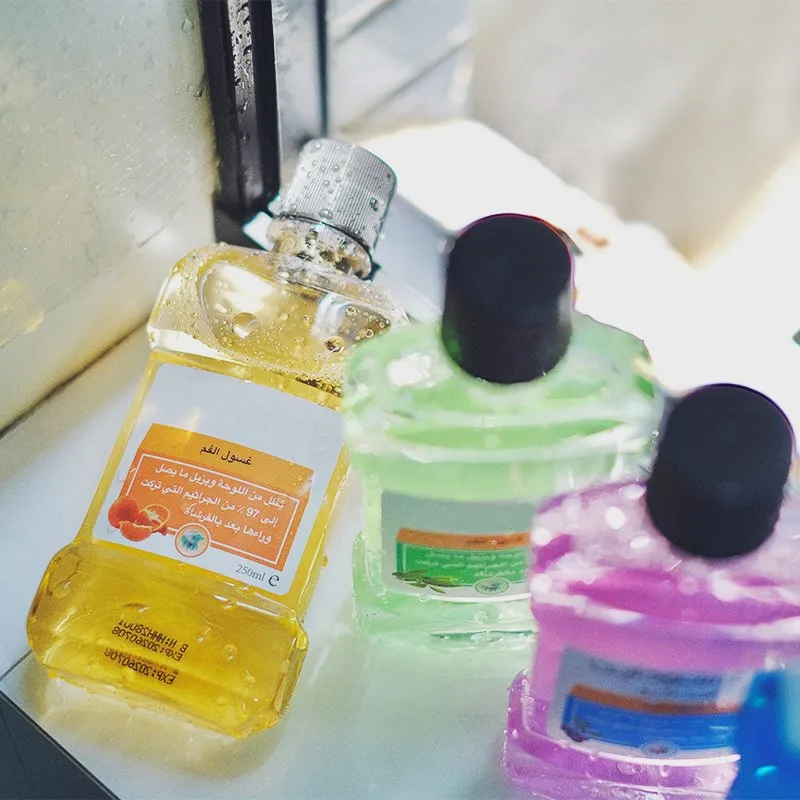
At our company, we are committed to providing high - quality mouthwash products that are safe and effective. Our Cleansing Mouthwash is a great option for daily oral hygiene. It is formulated with natural ingredients and does not contain alcohol, making it gentle on your teeth and gums.
In addition to our mouthwash, we also offer a range of other personal care products, such as Eclipse Perfume and Lavender Air Freshener. These products are designed to enhance your daily life and provide a pleasant sensory experience.

Conclusion
In conclusion, while mouthwash can be a valuable part of an oral hygiene routine, using too much of it can be harmful. By understanding the potential risks and following the tips for safe use, you can enjoy the benefits of mouthwash without compromising your oral health.
If you are interested in purchasing our mouthwash products or have any questions about our product line, we encourage you to reach out to us for a procurement discussion. We are always happy to work with customers to meet their needs and provide the best possible products.
References
- American Dental Association. (2023). Mouthwash: What You Need to Know.
- National Institute of Dental and Craniofacial Research. (2022). Oral Microbiome: The Good, the Bad, and the Ugly.
- Journal of Clinical Dentistry. (2021). The Effects of Alcohol - Based Mouthwashes on Oral Health.